Lawn Disease Control
Lawn disease control helps protect your grass from common fungal and turf diseases that discolour, weaken, or kill turf and grass lawns. From Red Thread and Rust to Fusarium Patch and Snow Mould, fungal infections come in many forms and can leave your lawn stressed. Our lawn disease management identifies the issue and treats it effectively and quickly.
Get in touchFree your lawn from disease
Our lawn technicians diagnose fungal and turf disorders and advise you on the right course of action and treatment to stop their spread.. Early detection and targeted care help prevent long‑term damage.
-
Targets Common Diseases
Supports fast recovery and regrowth
-
Tailored Disease Diagnosis
Accurate identification for correct treatment
-
NPTC® Qualified Technicians
Experienced in identifying and treating lawn disease
-
Restore Lawns Health
Professional disease control ensures your lawn remains healthy
Common Lawn Diseases
Get in touchUnderstanding common lawn diseases and how they develop is key to managing and preventing them. Fungal infections and turf disorders not only affect the look of your lawn but also weaken its health and resilience.
-
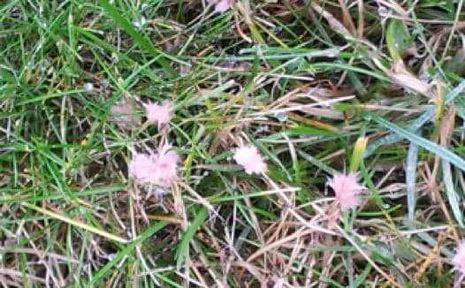
Red Thread
Causes red or pinkish patches on grass blades and is common in humid conditions. Read Thread can weaken your lawn, making it look unsightly and reducing its resilience.
-
Fusarium Patch
Appears as white or pink mould and thrives in wet, cool conditions. Fusarium Patch can cause significant damage to your lawn if left untreated, leading to large areas of dead grass.
-
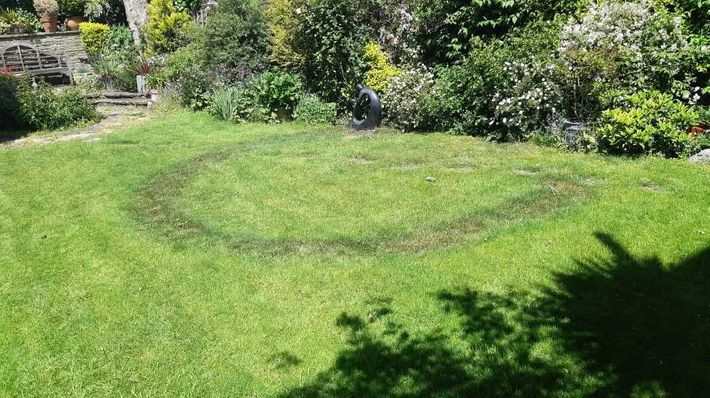
Fairy Rings
Characterised by circular patches of dead grass surrounded by dark green rings. These fairy rings are difficult to control and can disrupt the uniform appearance of your lawn.
-
Rust
Manifests as orange-red spores on grass blades, often caused by nutrient deficiencies and moisture stress. Rust can weaken the grass, making it more susceptible to other diseases and environmental stresses.
-
Anthracnose
Results in yellow or brown patches, typically in stressed lawns with low fertility. This disease can severely impact the health of your lawn, leading to extensive damage if not addressed promptly.
Got a suspicious patch or signs of lawn disease? Use the upload feature on our contact form to send us a photo of your lawn. Our experts will take a look and help identify the problem, so we can recommend the right treatment to protect your grass and restore your lawn’s health.
Frequently Asked Questions
-
How do I know if my lawn has a disease?
Signs of lawn disease include discoloured patches, thinning grass, or unusual growth patterns like rings, spots, or powdery coatings. These symptoms often appear suddenly and can spread quickly. LawnsOne can diagnose lawn diseases accurately and recommend the best course of treatment.
Not sure? Send us a picture of your pest problem
-
What treatments do you use for lawn diseases?
LawnsOne uses a combination of fungicides, soil health improvements, and tailored lawn care practices to treat lawn diseases. Their approach targets the specific disease while strengthening your lawn to prevent future outbreaks. Expert technicians ensure treatments are safe and effective.
-
How long does it take to see results?
Results from lawn disease treatments typically become noticeable within 1 to 2 weeks, as the disease is brought under control and the lawn begins to recover. LawnsOne provides expert care and guidance to help your lawn regain its health and vibrancy.
-
Are the treatments safe for pets and children?
Yes, LawnsOne’s lawn disease treatments are safe for pets and children once the application has dried, usually within a few hours. Their technicians use safe, effective products and provide clear aftercare instructions to ensure peace of mind.
-
When do lawn diseases usually occur?
Diseases often appear in warm, humid weather or periods of poor drainage and can be more visible in spring, summer, and autumn.
-
Can I send a photo of my lawn for help?
Yes! Use the upload feature on our contact form to send a picture of your lawn. Our experts will identify the problem and advise on the best treatment.
-
Can disease go away on its own?
Some minor fungal issues can lessen with improved lawn care, but many diseases need targeted treatment to prevent spread and damage.
-
How can I prevent lawn disease in the future?
Good lawn care, including regular mowing, adequate feeding, aeration and managing moisture, helps reduce the conditions that promote fungal growth.