Lawn Pest Control
Lawn pest control targets common pests like chafer grubs and leatherjackets that feed on grass roots, weakening your turf from below. These pests can leave lawns patchy, yellowing, and vulnerable to digging by birds and foxes. Early effective pest management can help your lawn resist attack and get it back to its former glory.
Protect your lawn from pests
Our lawn pest control service identifies and treats infestations to prevent damage that can last up to four years if left untreated. We provide advice on maintaining turf without disrupting your regular lawn care routine.
-
Pest Identification & Treatment
Reduces grub and leatherjacket damage
-
Biological & Professional Treatments
Safe and effective pest control solutions for your lawn
-
NPTC® Qualified Technicians
Expert pest identification and treatment every time
-
Restore Lawns Health
Professional pest control ensures your lawn remains healthy
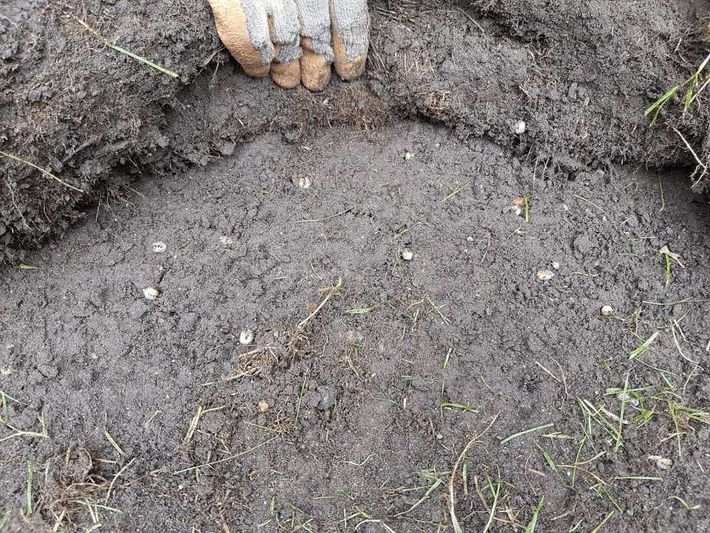
Common Lawn Pests
Get in touchUnderstanding these common pests and their life cycles is essential to effectively manage and eliminate them. These pests not only damage the aesthetic appeal of your lawn but also compromise its health and vitality.
-
Chafer Grubs
Chafer grubs are the larvae of chafer beetles. They hatch from eggs laid in the lawn and feed on grass roots, with a life cycle of 1–4 years depending on the species.
-
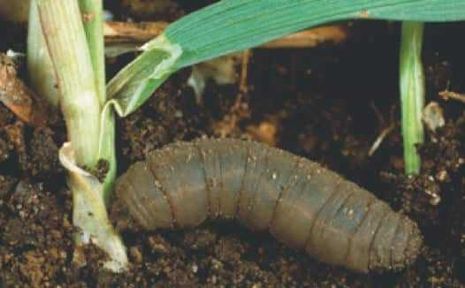
Leatherjackets
Leatherjackets are the larvae of crane flies. They hatch in autumn and feed on grass roots over winter, causing thinning turf and bare patches, often worsened by birds and animals digging for them.
-
Ants
Ants don’t eat grass, but their nests can disrupt soil, create mounds and bare spots, and attract other pests, leading to uneven growth and a less enjoyable lawn.
-
Worms
While worms usually help soil, their casts can create uneven patches and encourage weeds, so managing their activity helps keep your lawn smooth and healthy.
Got a suspicious patch or signs of pests? Use the upload feature on our contact form to send us a photo of your lawn. Our experts will take a look and help identify the problem, so we can recommend the right treatment to protect your grass and restore your lawn’s health.
Frequently Asked Questions
-
How do I know if my lawn has pests?
Signs of lawn pests include brown or thinning patches, grass that pulls up easily, or an increase in birds and animals foraging on your lawn. You might also notice small holes or insect activity in the soil. LawnsOne can inspect your lawn to confirm if pests are present and recommend effective treatments. Not sure? Send us a picture of your pest problem
-
What treatments do you use for lawn pests?
LawnsOne uses targeted, professional-grade pest control treatments tailored to the specific pests affecting your lawn. These may include natural or chemical solutions designed to eliminate pests while minimising harm to beneficial organisms. Their technicians ensure safe, effective application and provide guidance for maintaining pest-free lawns.
-
How long does it take to see results?
Results from lawn pest treatments typically begin to show within a few days to a couple of weeks, depending on the pest and treatment used. LawnsOne ensures treatments are effective and provides advice on post-treatment care to support your lawn’s recovery.
-
Are the treatments safe for pets and children?
Yes, LawnsOne’s pest treatments are safe for pets and children once the application has dried, usually within a few hours. Their technicians use carefully selected products and provide clear aftercare instructions to ensure everyone’s safety.
-
What are the most common lawn pests?
Chafer grubs and leatherjackets are the main culprits in UK lawns, feeding on grass roots and causing thinning, bare patches, and yellowing turf.
-
Can I send a photo of my lawn for help?
Yes! Use the upload feature on our contact form to send a picture of your lawn. Our experts will identify the pests and advise on the best treatment.