Lawn Scarification
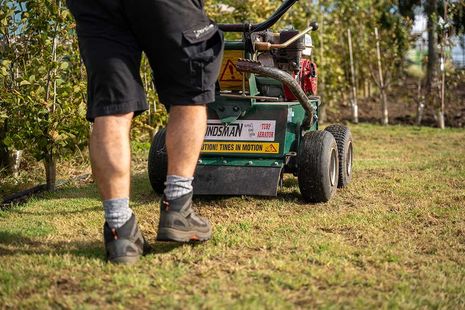
Lawn scarification removes the a layer of natural organic matter called thatch which is made up of a mix of dead grass, roots, and debris that forms over time. This smothers and suffocates your lawn making your grass grow weak and patchy. It also provides the ideal conditions for moss to proliferate as it often will sit wet. Scarifying helps the grass grow stronger by removing this organic matter.
Repair & Rejuvenate PackageFree your lawn from thatch and moss
Scarification clears the way for healthier, greener grass. Our experts combine lawn scarifications services with seasonal treatments to keep your lawn looking its best.
-
Promotes healthier, deeper roots
Encourages robust and resilient root systems
-
State-Of-The-Art Scarifier
Our specialist machinery scarifies your lawn for healthier, greener roots
-
NPTC® Qualified Technicians
Expert lawn care aeration with precision and reliability
-
Improve water and nutrient absorption
By removing thatch, scarification enhances soil aeration
Ready to scarify your lawn?
Get in touchScarifying is the key stage in our premium programme, designed to bring back tired lawns. By removing layers of thatch and moss, it opens up the soil, creating the ideal surface for overseeding and fertilising. This stage ensures new grass seed makes strong contact with the soil, helping your lawn grow thicker, healthier, and more vibrant.
-
Thicker Lawn
Scarifications clears space for new grass shoots.
-
Better Drainage
Removes thatch and moss to let water flow freely to the roots.
-
Stronger Root System
Helps roots absorb nutrients, water, and air.
-
Prevents Patchiness
Scarification reduces bare spots and uneven growth.
-
Prepares for Overseeding
Creates the perfect surface for new grass seed.
After scarifying a lawn, the soil surface is cleared of thatch and moss, but the soil underneath may still be compacted. Lawn aeration helps by creating small holes in the soil, allowing air, water, and nutrients to penetrate even deeper to the grass roots.
Frequently Asked Questions
-
How often should I scarify my lawn?
Most lawns benefit from scarifying once or twice a year, typically in early spring or early autumn when grass is actively growing.
-
How long does the scarification process take?
Scarification typically takes 1 to 2 hours, depending on the size and condition of your lawn. For a more precise estimate tailored to your lawn, contact LawnsOne to discuss your specific needs.
-
When is the best time for scarification?
The best time for scarification is in early spring or autumn when the grass is actively growing but not under stress. These periods allow your lawn to recover quickly and thrive. LawnsOne can help you determine the ideal timing based on your lawn’s condition.
-
Will lawn scarifying damage my grass?
When done at the right depth and time, scarifying improves the lawn’s health without harming healthy grass. The lawn may look rough initially but recovers quickly.
-
Can I scarify the lawn myself?
Yes, with the right tools and care, you can scarify a small lawn yourself. For larger lawns or heavy thatch, professional scarification is faster and more thorough.
-
What should I do to prepare my lawn?
To prepare your lawn for scarification, mow it shorter than usual and remove any surface debris like leaves or twigs. Ensure the lawn is dry on the day of treatment, as wet conditions can affect the effectiveness. LawnsOne can provide tailored advice to ensure your lawn is ready for the best results.